Father of the Groom Rehearsal Dinner Toast: A Complete Guide
A Guide to the Rehearsal Dinner Toast: Why the Father of the Groom Usually Owns This Moment
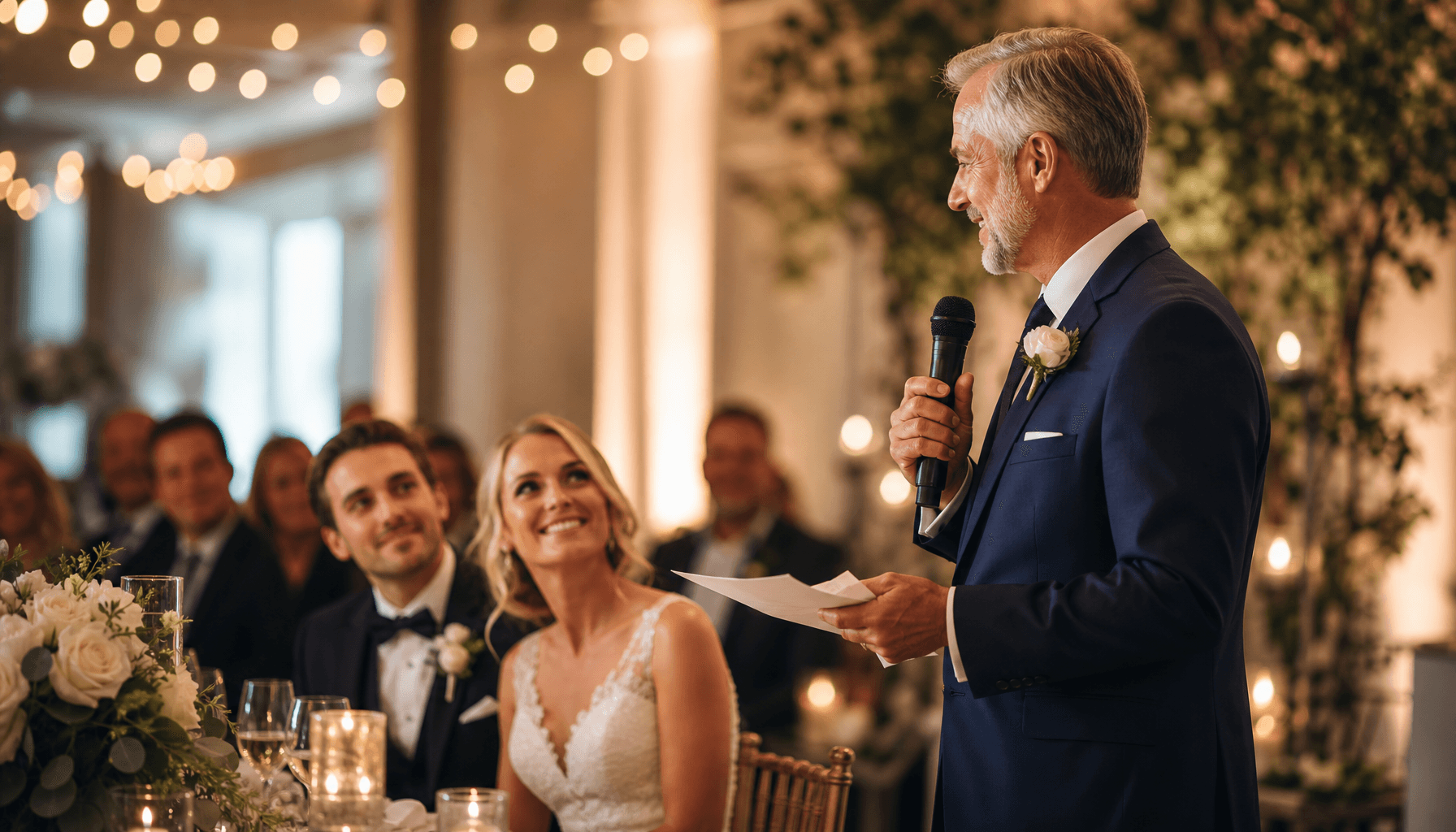
A rehearsal dinner possesses a different kind of magic compared to the wedding day itself. The room feels smaller and the stakes seem softer while the conversations are fuller because you can actually hear one another. It is the moment when the wedding weekend truly begins and when two families start feeling like one unit. Traditionally that beginning is marked by one specific voice which is the father of the groom.
If you have been asked to give the father of the groom rehearsal dinner toast you are likely feeling a very specific type of pressure. You want to be warm and gracious while welcoming everyone. You want to be brief because dinner is waiting. You want to include humor but not the kind that makes anyone squirm. Most of all you want to land on something real because this is your son and this is his future.
That is exactly why our Father of the Groom speech tool is one of the most meaningful resources we offer. It works like a digital speechwriter that turns your real memories and values into a polished toast you can actually deliver with confidence even if you are starting with a blank page and a racing heart.
The History and Tradition: Why the Father of the Groom?
The reason the father of the groom often owns this moment is not random. Historically the groom’s family hosted and funded the rehearsal dinner. If you were the host you welcomed the room. You thanked the people who traveled and acknowledged the effort that went into the weekend. You made a formal opening to what is at its core a family ritual.
Even though modern weddings are more flexible and costs are often shared in a variety of ways the ceremonial function remains. The rehearsal dinner toast signals that you are here and you are welcomed. It is less about performance and more about hospitality. In that sense the toast is not simply a mini wedding speech. It is the verbal equivalent of greeting guests at the door and making sure everyone feels looked after.
The Knot’s insights on father of the groom duties emphasize the hosting role and responsibilities around the weekend which aligns with why this toast has stayed so common across generations. Their perspective is a useful reminder that you are opening a gathering as a host which is why it still feels natural for many families today. That hosting lens also fits with what many couples experience now as rehearsal dinners can be a significant budget line item. When an event has investment behind it the occasion deserves a thoughtful welcome.
The best news is that hosting does not require you to be flashy. It simply requires you to be sincere and clear.
Rehearsal Dinner Speech Etiquette: Timing and Length
Good rehearsal dinner speech etiquette is mostly about two things which are when you speak and how long you speak.
When to Give the Toast
In most rooms the father of the groom speaks early. A reliable window is after everyone is seated and settled but before the main course is fully served. That timing matters because it opens the floor effectively. It sets the tone and prevents your toast from competing with clinking plates and servers weaving between chairs. If there are multiple toasts speaking early also helps the rest of the evening feel relaxed instead of constantly interrupted.
How Long Should a Rehearsal Dinner Toast Be?
The answer is simple. Aim for two to five minutes with three minutes as the ideal duration. If you have not timed yourself before three minutes is shorter than you think once nerves hit and you pause for laughter or emotion. The goal is to leave people thinking that the moment was lovely rather than wondering if you are going to finish soon. This is a toast rather than a keynote presentation.
Etiquette Guardrails
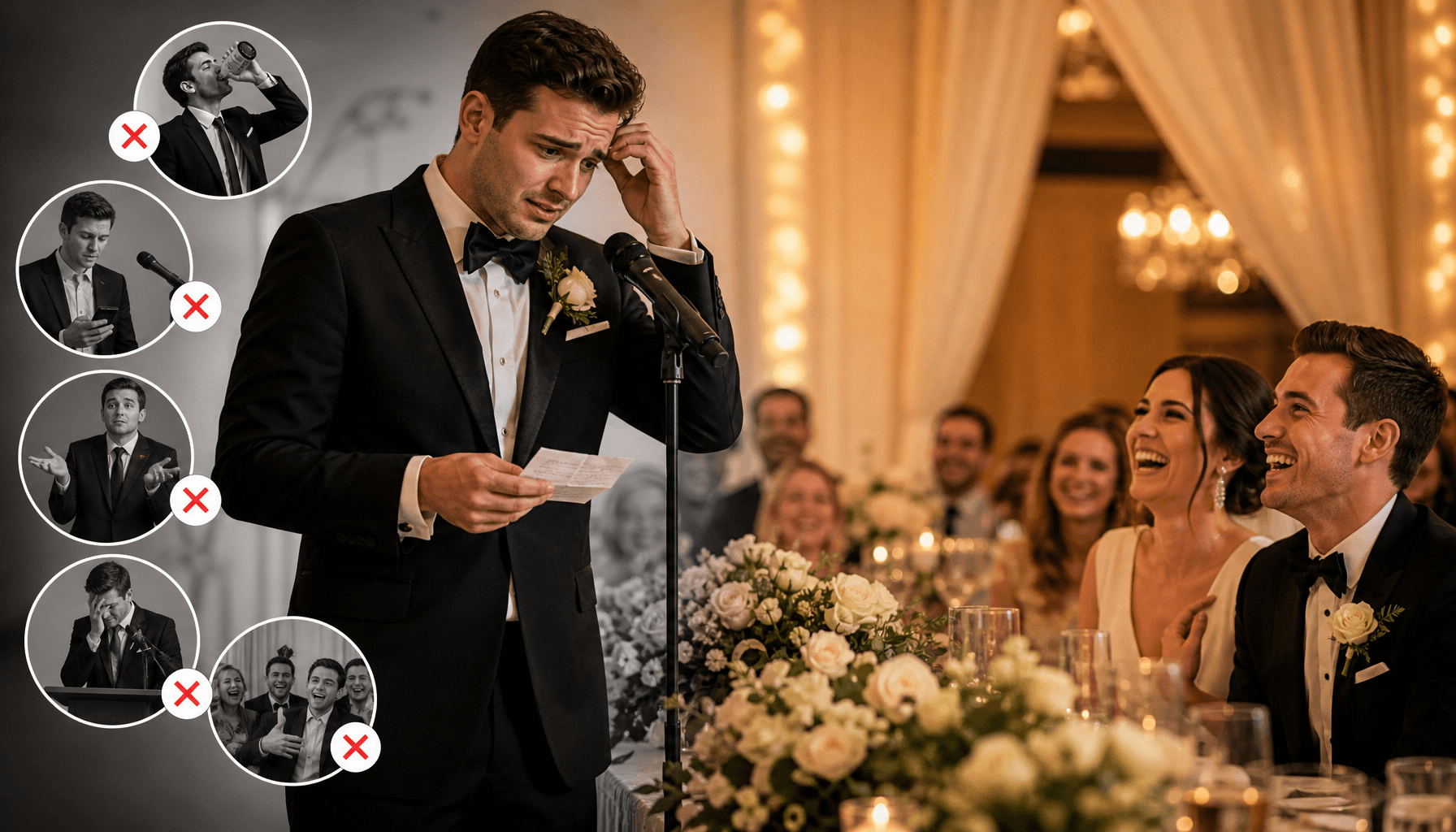
A few rules make you look effortlessly polished. Keep it PG and future-proof. If you would not want it replayed at an anniversary dinner in ten years leave it out. Speak for the whole room rather than just your table. A little intimacy is great but the point is to include everyone. Make names clear. If you are welcoming a new spouse into the family say their name more than once. It makes the toast feel personal rather than procedural. Proper Wedding Speech Etiquette: Dos and Don'ts is a strong reference point for what to do and what to avoid.
A final point that is often overlooked is that the rehearsal dinner crowd is smaller but it is usually a mix of circles. You may have grandparents and younger siblings alongside wedding party friends and out-of-town guests all in one room. The best toasts are specific without being exclusive.
The Perfect Structure for a Father of the Groom Toast
When fathers get nervous they often ramble because they do not have a map. A structure fixes that immediately. It also makes you feel calm because you always know what comes next. Use this reliable sequence and you will sound like someone who does this all the time.
The Opening: The Welcome
Start simple even if it feels obvious. Introduce yourself by saying you are the groom's father. Welcome the room and thank everyone for being there to celebrate. This matters because it grounds you and signals the start while giving the room permission to focus. A small but powerful addition is to name what this dinner is which is a gathering of the people who helped them get to the wedding day. That framing instantly elevates the moment.
The Gratitude: The Thank-Yous
This is where the father of the groom rehearsal dinner toast shines. You are the host voice. Thank the guests who traveled or made sacrifices to be there. Thank anyone who organized the dinner or coordinated details. Thank the venue and staff briefly if it feels appropriate. Crucially thank the bride’s family if they contributed or hosted. A generous thank-you here is always remembered. Keep gratitude concrete. One clear sentence is better than a long list. People feel sincerity when it is specific and unforced.
The Groom: Your Son
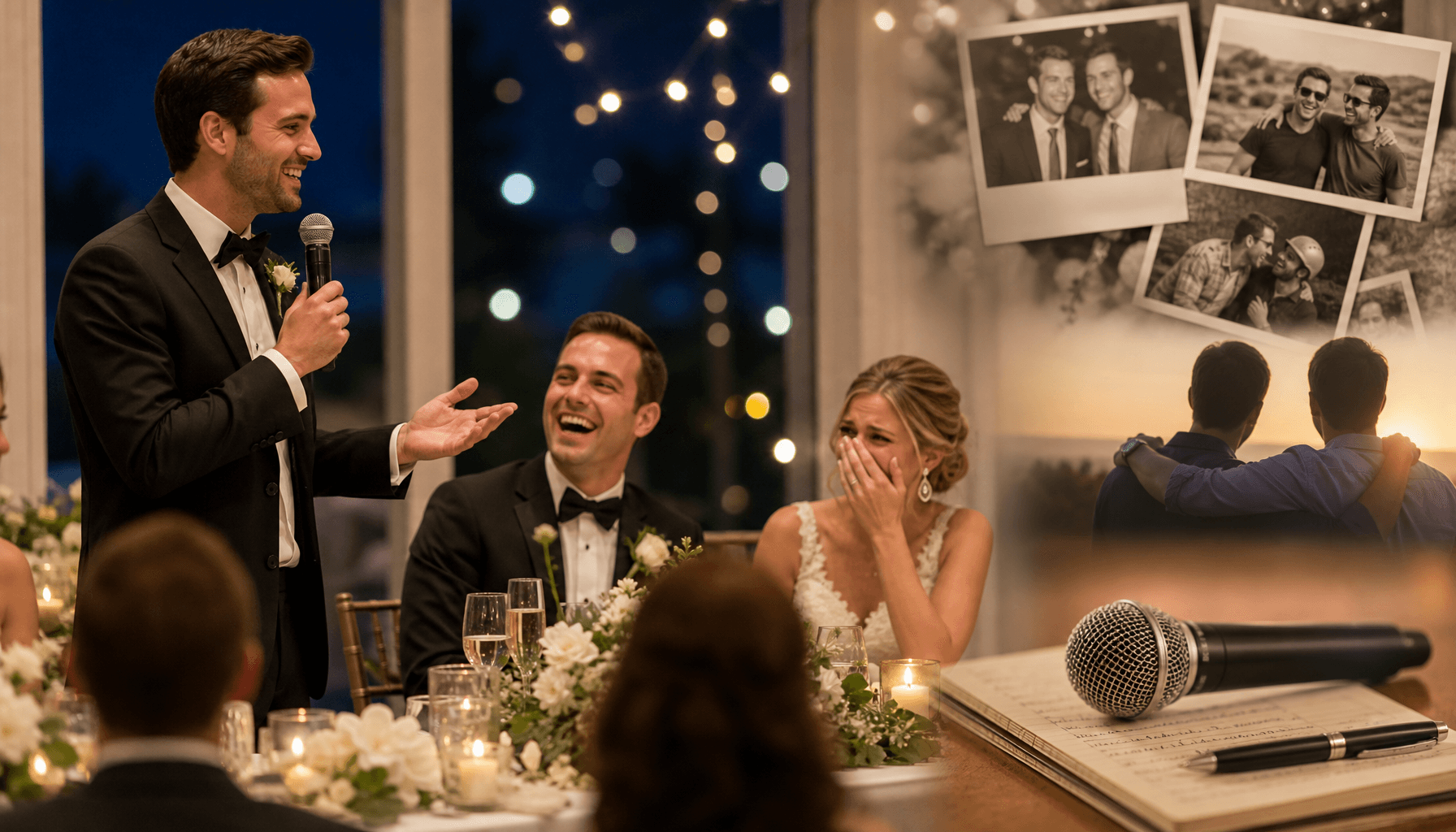
This is the heart and it should be short. Choose one of a few approaches. Share a brief story that reveals character traits like kindness or loyalty. Share a single moment you felt proud and why. Share a trait you have watched grow over time. A sentimental rehearsal dinner toast works best when the sentiment is anchored in something real. Instead of saying he has always been a great kid try describing a specific time he showed up when it mattered. The rehearsal dinner is not the place for a long biography so one vivid snapshot is enough.

The Partner: The Welcome
This is the part many fathers underdo and it is also the part people remember most. Address your child’s partner directly. Use their name. Say what you admire about them or how they fit your son in a way that makes you grateful. Say the quiet thing out loud which is that you are proud to welcome them into your family. If you want to sound deeply sincere without being overly emotional focus on what you have observed regarding how they support each other.
The Closing: The Toast
Close with a line that feels like a gift rather than a lecture. Offer one principle for marriage such as patience or teamwork. Offer one wish such as joy or adventure. Then ask everyone to raise their glass. Traditional toast guidelines from the Emily Post Institute reinforce how powerful a clear welcome and a clean closing can be. If you want to be exceptionally polished end with the couple’s names and a clear cue to raise glasses. It avoids the awkward landing where people are unsure if you are finished.
Balancing the Heart and the Humor
A funny father of the groom toast can be wonderful. However humor is a spice rather than the meal. A reliable ratio is 80 percent sentiment and 20 percent humor.
Humor Guidelines
Choose humor that is inclusive so the whole room can enjoy it. Ensure it is non-embarrassing so the groom feels loved rather than exposed. Be gentle by teasing quirks rather than flaws. Keep it brief because one good laugh is better than three medium ones. Avoid exes or dating history. Avoid stories involving drunkenness or legal trouble. Avoid inside jokes that exclude most guests. Avoid roast energy. This dinner sets the tone for the wedding weekend.
Expert advice on rehearsal dinner toasts from Brides suggests keeping the content warm and supportive rather than roast-like. Their advice on tone is a helpful reminder that the best laughs come from affection rather than shock value. A safe humor target is yourself. You might joke about promising to keep the speech short which relaxes the room without putting anyone on the spot.
Sentiment Guidelines
Sentiment does not mean being dramatic. It means being specific. Try telling one story with one lesson. Offer one description of your son that is earned rather than generic. Offer one welcome to the new spouse that feels personal. If you feel emotion rising simply pause. People do not judge a pause. They judge rushing past sincerity because you are uncomfortable with it. One practical trick is to write the sentence you most want your son to remember and place it near the end. That is usually where your voice steadies and the room is fully with you.
Overcoming the Nerves: How to Deliver with Confidence
Most speeches that fall flat do not fail because the person lacked love. They fail because the person lacked preparation.
Prepare the Right Way
Write it down. Do not wing it even if you are a confident speaker in other settings. Print it or use a notecard with large font that is double-spaced and easy to glance at. Time it aloud. Do not estimate in your head because three minutes spoken is different than three minutes read silently. Practice once standing up because standing changes your breathing and pace.
What to Do on the Night
Breathe before you start. Take one full inhale and one full exhale. Speak slightly slower than you think you should. Look up at the couple for key lines especially when welcoming the partner. Let the room react. If people laugh let them. If you feel emotional pause. If anxiety is your biggest obstacle the delivery techniques in our guide on Public speaking advice for the anxious father are practical and realistic especially for people who do not enjoy being in the spotlight.
The father of the groom rehearsal dinner toast is not about stealing attention. It is about offering welcome and gratitude while providing a steady voice at the start of a meaningful weekend. If you keep it to about three minutes and follow a simple structure you will give the room exactly what it needs. If you want the experience to feel calm instead of stressful ToastPal can turn your memories into a speech that sounds like you and lands beautifully without hours of drafting.