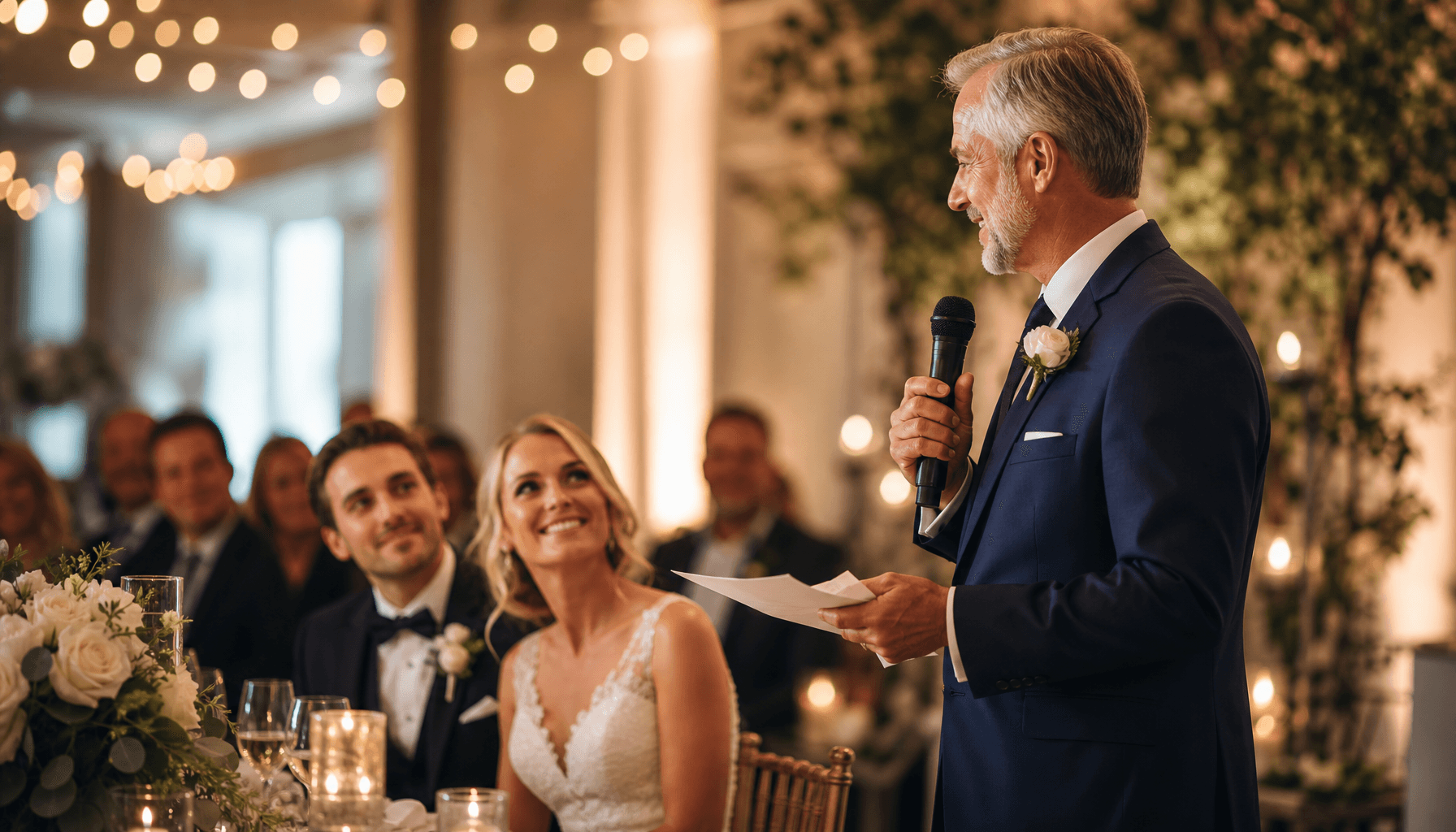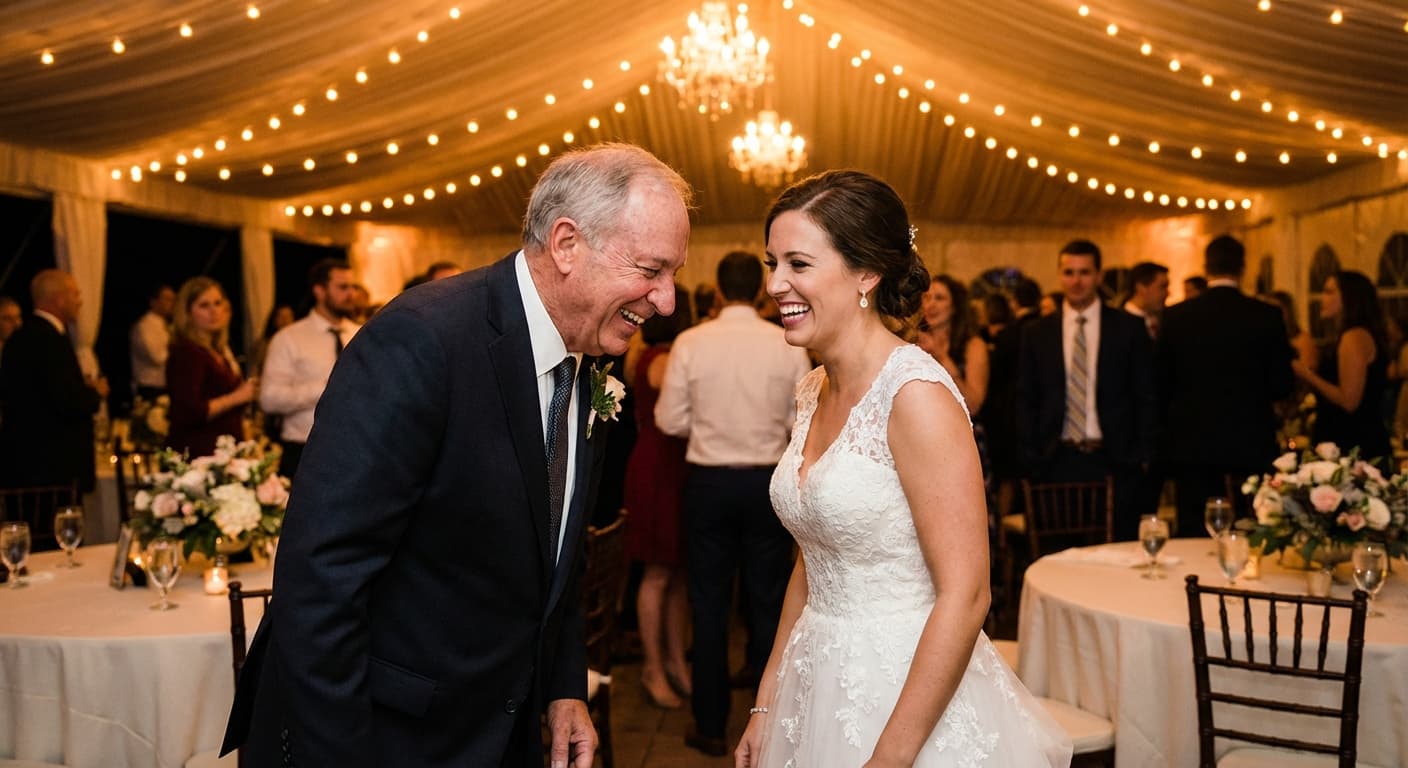
Father of the Groom Speech: Welcoming Your Daughter-in-Law
Watching your son get married does something profound to a father. It collapses time in a way few other life events can. You remember the small hand in yours, the first day of school, the hard-earned lessons, and the quiet pride of seeing him become a man. Then, in one beautiful moment, you meet a new chapter. You see the woman he chose and the family you are about to build together.
A father of the groom speech is your chance to do something simple yet lasting. You get to formally welcome your daughter-in-law into the family in front of the people who matter most. You set a tone of warmth, safety, and belonging. The only catch is that public speaking can feel intimidating, especially when your emotions are close to the surface and the room is watching.
If you want help turning your thoughts into a polished speech that still sounds like you, ToastPal can generate a custom draft in minutes based on your real stories. This post will walk you through the key building blocks, what to say, what to avoid, and how to deliver it with calm confidence so your welcome lands exactly as intended.

Why the Welcome Matters: The Role of the Father of the Groom
Traditionally, wedding speeches served a practical purpose. They were about expressing gratitude, honoring families, and acknowledging the joining of two households. Today, the meaning is even more personal. Your speech is not just your turn at the microphone. It is a public signal that your son’s partner is not an outsider joining the edges of your family, but someone you are opening the door to with pride.
Think of the welcome as the emotional handshake between families. It tells your daughter-in-law, her parents, and everyone listening that she is safe with you. It says she belongs here. It says you are glad she is here.
That message matters even more now because weddings themselves are changing. Couples are personalizing receptions, reorganizing traditional moments, and designing celebrations that feel more like them. Data on broader shifts in what couples want supports this trend toward personalization and guest experience, as highlighted in the 2024 Global Wedding Report. In that kind of modern reception, speeches tend to stand out more because guests are paying attention to the moments that feel sincere and human.
Your goal is not to impress the room with oratory skills. Your goal is to create belonging in the room. When you speak from the heart, you bridge the gap between two families and create a foundation for the future.
The Anatomy of a Perfect Father of the Groom Speech
Most fathers get stuck because they try to do too much. They attempt to tell the whole life story, honor every relative, add a few jokes, and sprinkle in advice. The result often becomes long, unfocused, and harder to deliver. A simple structure solves almost everything.
Use the One Story, One Wish, One Toast Framework
This framework keeps your speech clear, warm, and memorable. It also makes it easier to practice because the speech has a natural flow. You tell one short story that shows who your son is. You offer one wish that blesses the couple’s future. You end with one toast that wraps it up cleanly. Inside that framework, you will include the formal welcome and acknowledgements that make the moment feel respectful.
The Formal Opening
Your opening does three jobs. It orients the room, shows appreciation, and settles your nerves. Start with your name and your role. Offer a warm greeting to guests. Give a sincere thanks to those who hosted and planned the event. Understanding the formal opening and where you fit in the lineup can help ease those initial jitters.
Example opening wording might be simple. Good evening, everyone. I am David, the groom's dad. Thank you all for being here to celebrate this day with them. It means a great deal to our family to look out and see so many people we love in one room. Keep this simple. You do not need to be flashy. A steady, grounded opening is a gift to both you and the audience.
Acknowledge the Bride’s Parents and Family
This is part etiquette and part emotional intelligence. Weddings can carry a lot of invisible pressure, especially between families who are meeting in a new way. A sincere acknowledgement smooths that beautifully. Thank them for raising the person your son loves. Express genuine happiness about joining families. It is also a nice touch to acknowledge the bride’s parents and family directly for their role in this journey.
You might say something like this. To the bride's parents, thank you. You have raised a remarkable woman, and our family is grateful for the love and values you have poured into her. If you know the father of the bride is also giving a speech, this creates a nice continuity between your sentiments. Your speech itself should stay focused on the couple and the welcome.
Speak About Your Son with One Meaningful Story
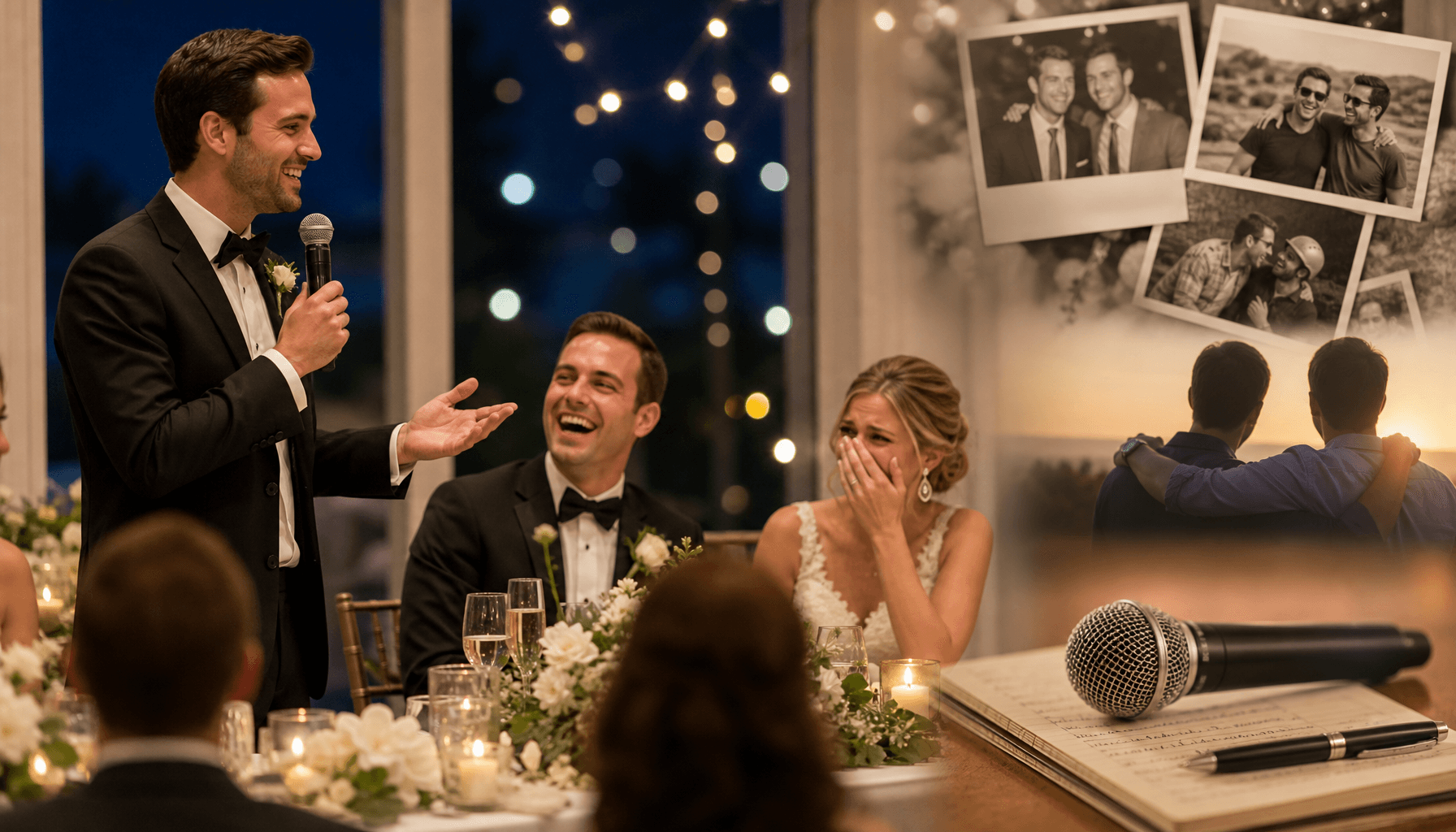
This is where many fathers either go too long or get too sentimental without structure. The key is to pick one story that supports your message rather than a highlight reel. Choose a story that shows kindness, steadiness, humor, loyalty, or growth. Ask yourself what this story proves about the man he is today.
An example pattern works well. I have always known him as someone who shows up for people. I saw it when he drove three hours just to help a friend move. That is the same quality I have seen in the way he loves his bride.
Avoid stories that place your son in a humiliating light, involve excessive drinking, or turn into an inside joke. Your aim is dignity and warmth. You want the audience to nod in agreement, not cringe in sympathy.
The Welcome: The Core Moment
This is the heart of your father of the groom speech. It should be explicit, direct, and personal. Say your daughter-in-law’s name. Speak to her directly, even briefly. Name a specific quality you admire. Express what her presence means to your family.
Avoid comparing her to anyone or using ownership-style language like handing her off. Focus on who she is. Strong welcome wording options include saying it is an honor to welcome her into the family. You might say you are genuinely grateful she is here and proud to call her family. You could say you are not just gaining a daughter-in-law today but gaining her specifically.
Then make it specific. Tell her what you admire most. Maybe it is the way she brings calm and confidence into the people around her. Maybe it is her drive or her kindness. Specificity is what makes sincerity believable. A generic compliment disappears, but a true observation lands.
The Closing Toast
Your closing should not introduce new topics. It should feel like a clear ending. Invite guests to raise glasses. Toast the couple by name. Offer one short blessing or wish.
Example wording helps. Please raise a glass to the happy couple. May your home be full of laughter, your partnership be steady, and your love keep growing year after year. Then stop. Sit down. Let the room respond.
Modern Twists: Inclusivity and Contemporary Etiquette
A formal welcome can still be modern. In fact, modern weddings often make the welcome more meaningful because families can look different, traditions can vary, and not everyone fits neatly into old scripts. Your job is to speak in a way that includes everyone who matters to the couple.
Inclusive Language That Still Feels Formal
You can keep a traditional tone without using outdated phrasing. A few simple swaps help. Use partner when appropriate. Use the couple’s names more than labels. Focus on joining families rather than giving away or taking.
If the couple is a same-sex couple, or if your son is marrying a non-binary partner, the emotional core stays the same. Welcome the new spouse into the family with warmth and respect. Avoid making the speech about explaining anything to the room.
Blended Families and Shared Parenting Roles
If there are step-parents, divorced parents, or multiple family households involved, you can reduce tension by acknowledging love in a broad, generous way. You might say that families are built in more than one way, and what matters tonight is that the couple is surrounded by people who love them deeply. This avoids calling out specific dynamics while still honoring them.
Joint Parent Speeches
More couples now prefer shorter speech blocks. If it fits your family, a joint speech with the groom’s mother can be a wonderful way to share the moment and reduce pressure. It also creates a feeling of unity. One person can handle the welcome, the other can share the story, and you close together with the toast.
A Gentle Nod to Etiquette
The best modern approach is simple. Honor the couple, respect both families, and keep the moment emotionally true. Following a gentle nod to etiquette ensures you navigate any modern shift with grace.
Drafting Your Speech: Tips for Sincerity and Brevity
A great father of the groom speech rarely comes from writing talent. It comes from clarity.
Keep It to Three to Five Minutes
If you aim for three to five minutes, you will automatically make better choices. You will choose one story instead of five. You will stick to one theme instead of wandering. You will deliver one clear welcome instead of a paragraph of generalities.
A useful rule of thumb is roughly 150 spoken words per minute. That means a four-minute speech is around 600 words. If your draft is 1,200 words, it will likely feel long in the room, even if it reads well on paper.
Start with a Theme
Themes make speeches feel intentional. Pick one like showing up, kindness, home, steady love, or laughter. Then choose your story and welcome lines to support that theme. When you do this, your speech sounds cohesive and confident.
Use Humor Carefully
Humor is welcome in a father of the groom speech, but it should never come at the bride’s expense. Safe humor includes gentle self-deprecation, parenting moments that are relatable, and affectionate observations about how fast time moves.
Avoid jokes about exes, the old ball and chain tropes, or anything about money or looks. If you are unsure whether a joke is safe, it probably isn’t.
Write As You Speak
A common trap is using a formal writing voice. It looks nice on paper and sounds stiff out loud. Instead, use shorter sentences. Use simple words. Include a few natural phrases you actually say. Your delivery will improve immediately because your mouth won’t be fighting the text.
If Writer’s Block Hits
You do not need a perfect first draft. Start by jotting down three words that describe your son as a partner. Write down three words that describe your daughter-in-law as a person. Note one moment when you realized she was the real thing. Recall one moment you felt proud of your son recently. If writer’s block hits, these simple prompts can get the momentum going.
That is enough to build a speech. If the couple is working hard on their vows, it makes sense that your welcome should also feel intentional, not rushed or improvised.
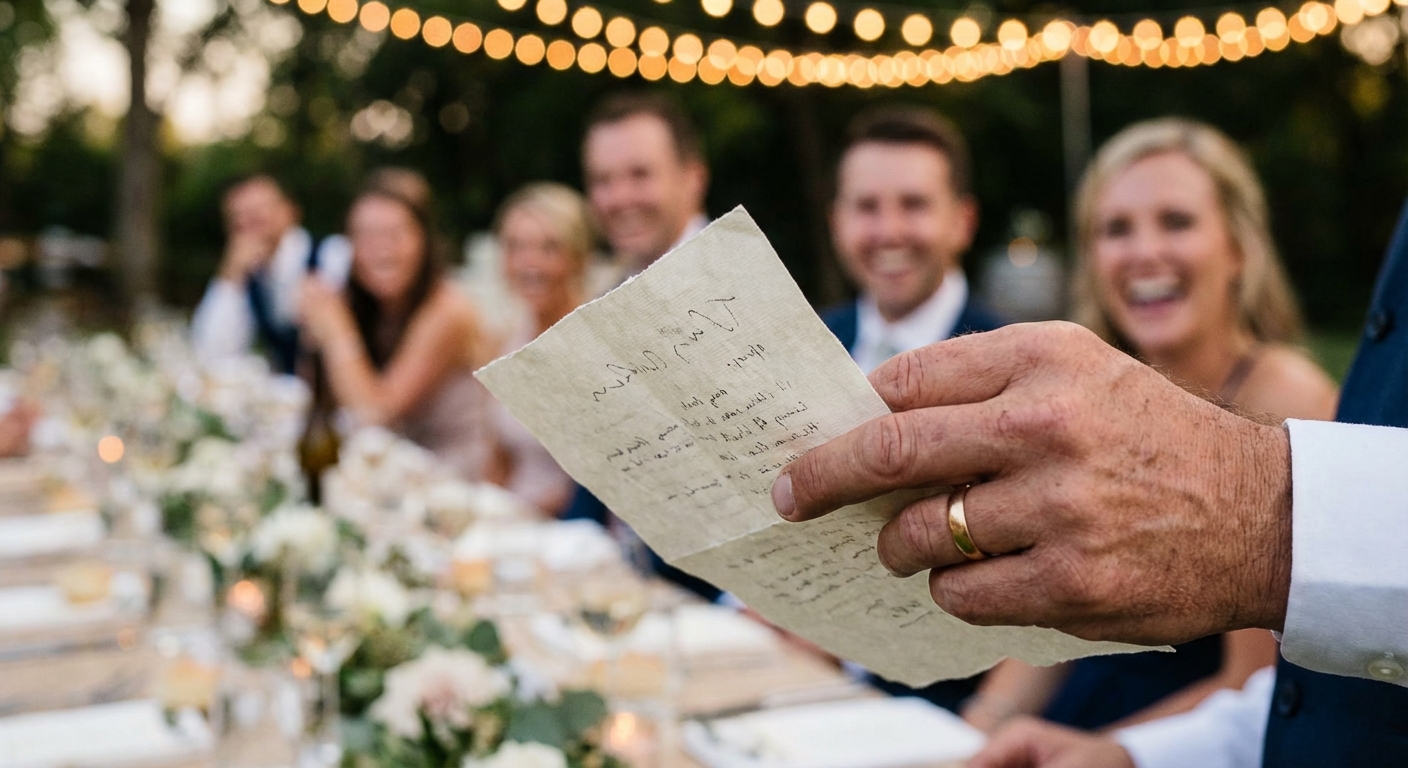
Delivery Masterclass: How to Speak with Confidence
Even a beautiful speech can fall flat if it is rushed, mumbled, or read like a document. The good news is that delivery is mostly preparation, not talent. Engaging in a delivery masterclass of your own through practice is the best way to ensure success.
Practice Aloud
Reading silently makes you think you know the rhythm. Speaking reveals where you stumble. Do at least three read-throughs. Do one slow and careful read to mark pauses. Do one at normal pace to time it. Do one standing up as you will on the day.
Use Notes the Right Way
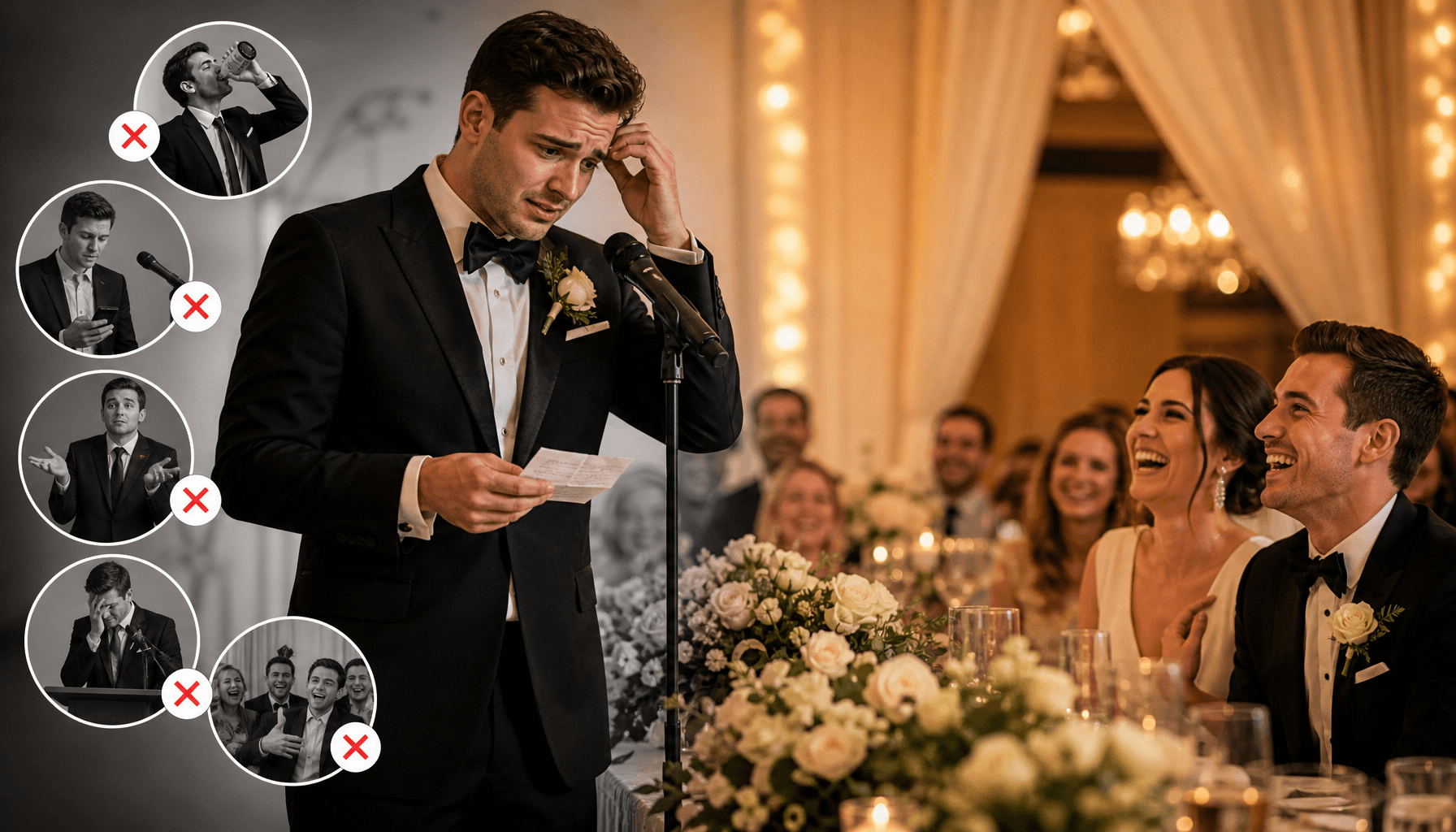
Do not read from your phone. It encourages looking down, scrolling, and losing the room. Better options include a printed page with large font or cue cards with bullet points. Bold your first line of each section so you can quickly find your place if you look up.
Microphone and Pacing Basics
Most nervous delivery issues are actually speed issues. Adrenaline makes you talk faster. Try beginning slower than feels natural. Pause after the welcome line. Pause after any joke. Breathe before the toast.
Keep the mic close, about 10 to 15 centimeters from your mouth, and speak into it, not over it. If you are unsure about the technical aspects, Toastmasters offers excellent practical advice on preparation and pacing.
Where to Look
Aim for a gentle triangle. Look at the couple for the welcome. Look at the bride’s parents during your acknowledgement. Look at the room for the story and toast. You do not need constant eye contact. You need calm, periodic connection.
A Simple Technique for Emotion
If you feel yourself getting emotional, stop. Breathe. Smile briefly. Continue. The room will be with you. A father showing real emotion reads as love, not weakness.
Common Pitfalls to Avoid
Most wedding speech mistakes come from one of two things. Fathers either try to be funnier than they need to be, or they try to say everything they feel. Here are the pitfalls that matter most.
Going Too Long
Long speeches do not feel more meaningful. They feel less intentional. If you are over time, cut extra stories, long lists of thank-yous, and advice paragraphs. Keep the welcome, one story, one wish, one toast.
Mentioning Exes or Past Relationships
Never mention them. Not even as a joke. Not even vaguely. This is not the place.
Embarrassing Stories
If the story would bother your son the next morning, it does not belong in the speech. Avoid wild nights, legal trouble, private relationships, or money issues. Avoid anything that could embarrass your daughter-in-law by association.
Inside Jokes That Isolate the Room
Your speech is for the whole room. If only five people understand a reference, it will land as awkward silence.
Drinking Before Speaking
One drink may feel calming, but it affects timing and judgment. Save the celebration for after you sit down.
Turning the Speech into Marriage Advice
A short blessing is fine. A lecture is not. Replace advice like never going to bed angry with a wish. May you always find your way back to each other, even on the hard days.
Forgetting to Welcome Your Daughter-in-Law Clearly
This is the one mistake that actually hurts. The room might not remember every line, but they will remember whether you publicly welcomed her. Experienced wedding planners and writers often list this as a top error to avoid in wedding speeches, so make it a priority in your draft.
3 Quick Templates for Welcoming Phrasing
You can use these as drop-in lines or as inspiration. Adjust the formality to match your voice.
The Traditional and Formal Welcome
It is my distinct honor to welcome you into our family. From the moment we saw how you treat my son, with respect, patience, and genuine care, we knew you were someone special. Today we are grateful not only for this marriage but for the person you are and for the joy you bring into our lives.
The Warm and Casual Welcome
We have loved you since the moment you walked through our door. You have a way of making people feel comfortable and seen, and you have brought out a wonderful side of my son. We are not just happy you are joining the family. We are proud that you are.
The Short and Sweet
Welcome to the family. We are so glad you are here. May your marriage be full of laughter, steady love, and a home you are always happy to come back to.
Conclusion
A father of the groom speech is not judged by how poetic it is. It is remembered by how it makes people feel. When you clearly welcome your daughter-in-law, acknowledge her family with respect, and share one honest glimpse of who your son is, you have done the job beautifully.
If you are still staring at a blank page, or if you have a handful of ideas but no structure, ToastPal can turn your real memories into a speech that sounds like you. It helps you stay within a clean three to five minutes and includes the kind of formal welcome that makes your daughter-in-law feel genuinely embraced. Start with a few prompts, choose your tone, and walk into that moment knowing your words are ready.
Frequently Asked Questions
- How long should a father of the groom speech be?
Aim for three to five minutes. It is long enough to be meaningful and short enough to keep the room engaged. - Does the father of the groom speak first?
Traditionally, he may speak first or second, often near the start of the reception speeches, but modern weddings vary widely. Confirm the order with the couple or planner. - What should the father of the groom say to the daughter-in-law?
Welcome her clearly by name, compliment a specific quality you admire, and express sincere happiness that she is joining the family. - Can the father of the groom be funny?
Yes, as long as the humor is kind and appropriate. Self-deprecating humor is usually safest. Avoid embarrassing stories, controversial jokes, or anything that targets the bride. - Do I need to memorize my speech?
No. Notes are completely acceptable. A printed page or cue cards often lead to a calmer, more natural delivery than trying to memorize every word.