Joint Bridesmaid Speeches: How to Deliver a Duo Toast Without Chaos
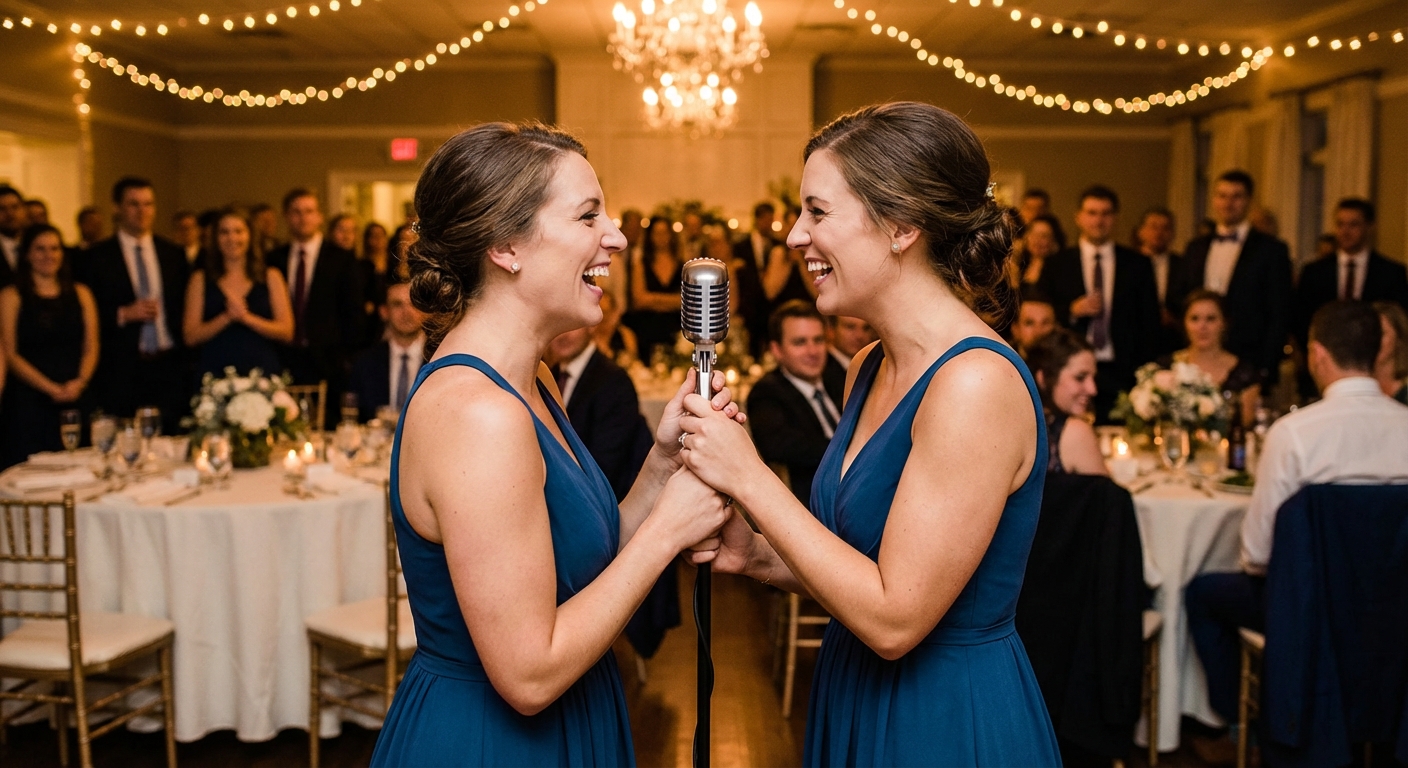
Group Speeches: How Bridesmaids Can Deliver a Joint Speech Without It Being Chaotic
Joint bridesmaid speeches are having a significant moment in the wedding world. For good reason, splitting the spotlight can ease nerves, share the workload, and create a fun "two voices, one message" energy when executed correctly. However, the problem is that without a tight plan, a wedding speech duo can quickly feel like an unrehearsed tennis match: awkward handoffs, overlapping lines, and inside jokes that leave the room quiet.
That is why using ToastPal early matters. ToastPal helps you combine two or even three writing styles into one cohesive script so you are not stitching together mismatched documents late at night. If you have a lead bridesmaid taking point, building the first draft through the dedicated Maid of Honor flow can give your group a clean base speech to divide, polish, and rehearse quickly.
It is worth getting right. Wedding guests genuinely remember speeches, and data from The Knot Real Weddings Study consistently shows how much couples prioritize the guest experience. A joint toast can be one of the most entertaining parts of the night, but only if it feels intentional rather than accidental.
Should You Give a Joint Bridesmaid Speech?
A joint bridesmaid speech is not automatically better than a solo toast. It is a format choice, and like any format, it has specific conditions where it shines and others where it falters. Before committing to a duo performance, it is vital to weigh the dynamics of your relationship with the bride and your co-speaker.
Modern weddings are increasingly flexible about who speaks and how wedding party roles appear. If you have noticed more shared speeches, shared walks, and blended traditions, you are seeing a real shift. Trend reporting on Zola 2025 Trends reflects the move toward personalized, inclusive wedding experiences that fit the couple’s actual relationships rather than a rigid script.
When Joint Speeches Work Best
This format excels when both speakers are genuinely close to the bride. If one of you is a lifelong friend and the other is a newer acquaintance, the balance will feel forced. It also works best when you have complementary angles on the bride’s life. For example, a childhood friend paired with a work bestie, or a sister paired with a college roommate. You represent different eras, but the same love. Furthermore, you must be able to agree on tone quickly. If one person wants a roast and the other wants a tear-jerker, the speech will suffer. Finally, you must be willing to rehearse out loud together. Reading it silently is not enough when timing is involved.
The Perfect Structure for a 3-5 Minute Joint Speech
The biggest misconception with bridesmaid speeches is that two speakers equals double the time. It does not. Guests feel time more acutely than you do at the mic, and a tight three to five minutes is the sweet spot even for a joint speech.
1. The Intro (20 to 30 Seconds)
- Speaker A: "Good evening everyone! I’m Sarah, the bride’s sister."
- Speaker B: "And I’m Jessica, her college roommate. We are teaming up tonight because we both love her, and we also both love a well-timed handoff."
2. The Origin Story (30 to 45 Seconds)
This is where you build credibility and warmth without dragging out the timeline. You have two main options here. You can do a parallel origin, where each bridesmaid says one sentence about when they met the bride. Alternatively, you can share a shared origin, describing the moment you became "the group," such as moving in together or joining the same friend circle.
3. The "Ping-Pong Middle" (90 to 120 Seconds)
This is the heart of the joint speech. You are aiming for two short stories or one shared story, but with a singular theme. Pick one theme that describes the bride and connects to marriage, such as loyalty, calm under pressure, or deep thoughtfulness.
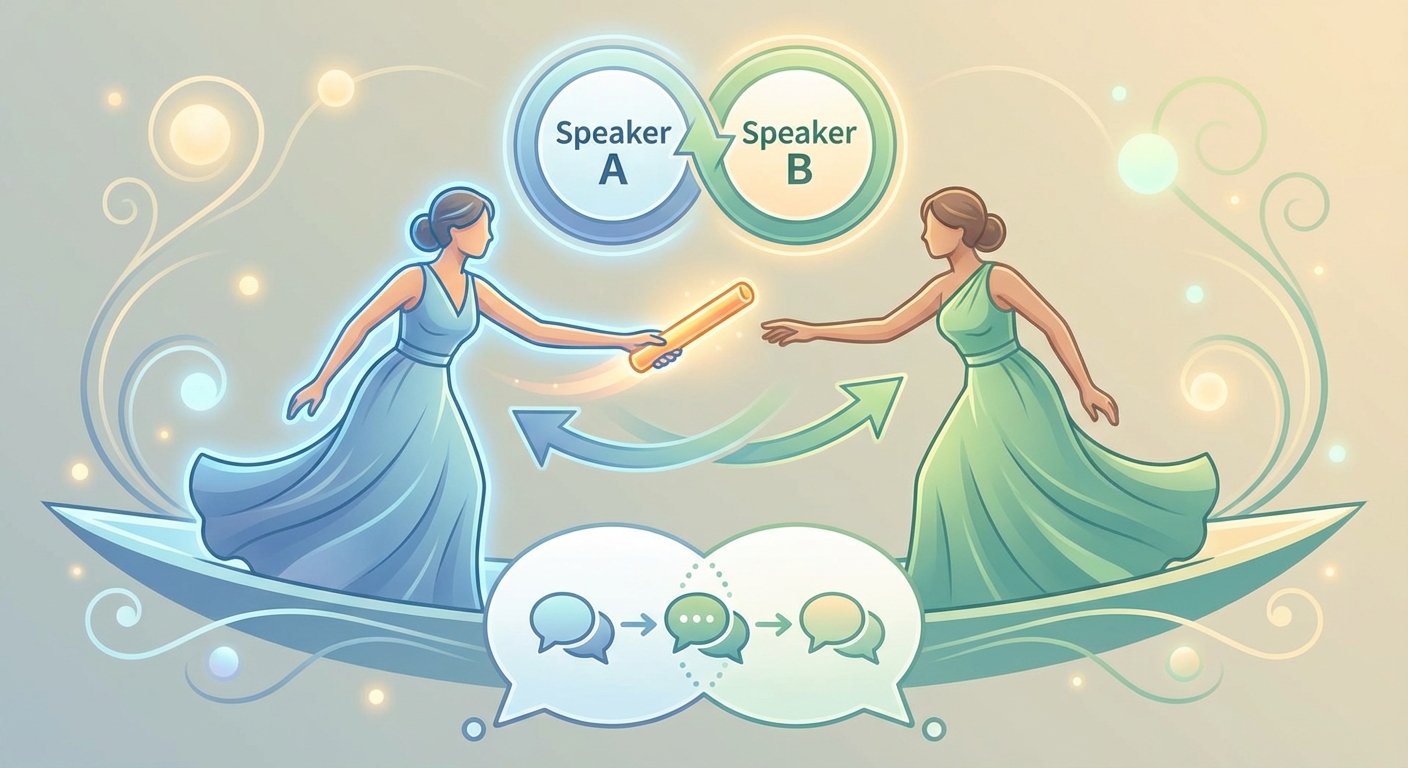
Mastering Transitions: The 'Baton' Technique
The difference between a joint bridesmaid speech that feels cinematic and one that feels chaotic is usually not the jokes. It is the transitions. The "baton" technique is simple: Speaker A’s final words should set up Speaker B’s first words so the handoff feels inevitable, not abrupt.
How to Write Baton Transitions
There are three primary patterns you can use:
- The Agreement: Speaker A: "That has always been the bride, calm and steady." Speaker B: "Exactly, and I saw that calm firsthand when…"
- The Contrast: Speaker A: "She looks sweet, but don’t be fooled." Speaker B: "Because if you mess with her friends, she becomes frighteningly efficient."
- The Setup Line: Speaker A: "And the best example of that happened on a trip we still talk about." Speaker B: "We were in Cabo, it was raining, and she somehow turned it into the best day."
Rehearsal Checklist and Microphone Logistics
A joint speech can feel more nerve-wracking than a solo speech because your timing affects someone else. The cure is rehearsal that mimics reality. Following provenance joint speech tips is especially relevant here, because it is easy to accidentally turn the speech into a show about your friendship featuring the bride.
To sound professional, time your speech out loud with a timer. Aim for three to four minutes so you have breathing room. Mark your script with speaker labels that are big and obvious. If coordinating timing is making you more anxious instead of less, the fastest way to calm that down is preparation plus a few simple techniques for overcoming wedding speech anxiety.
Common Pitfalls to Avoid in Group Speeches
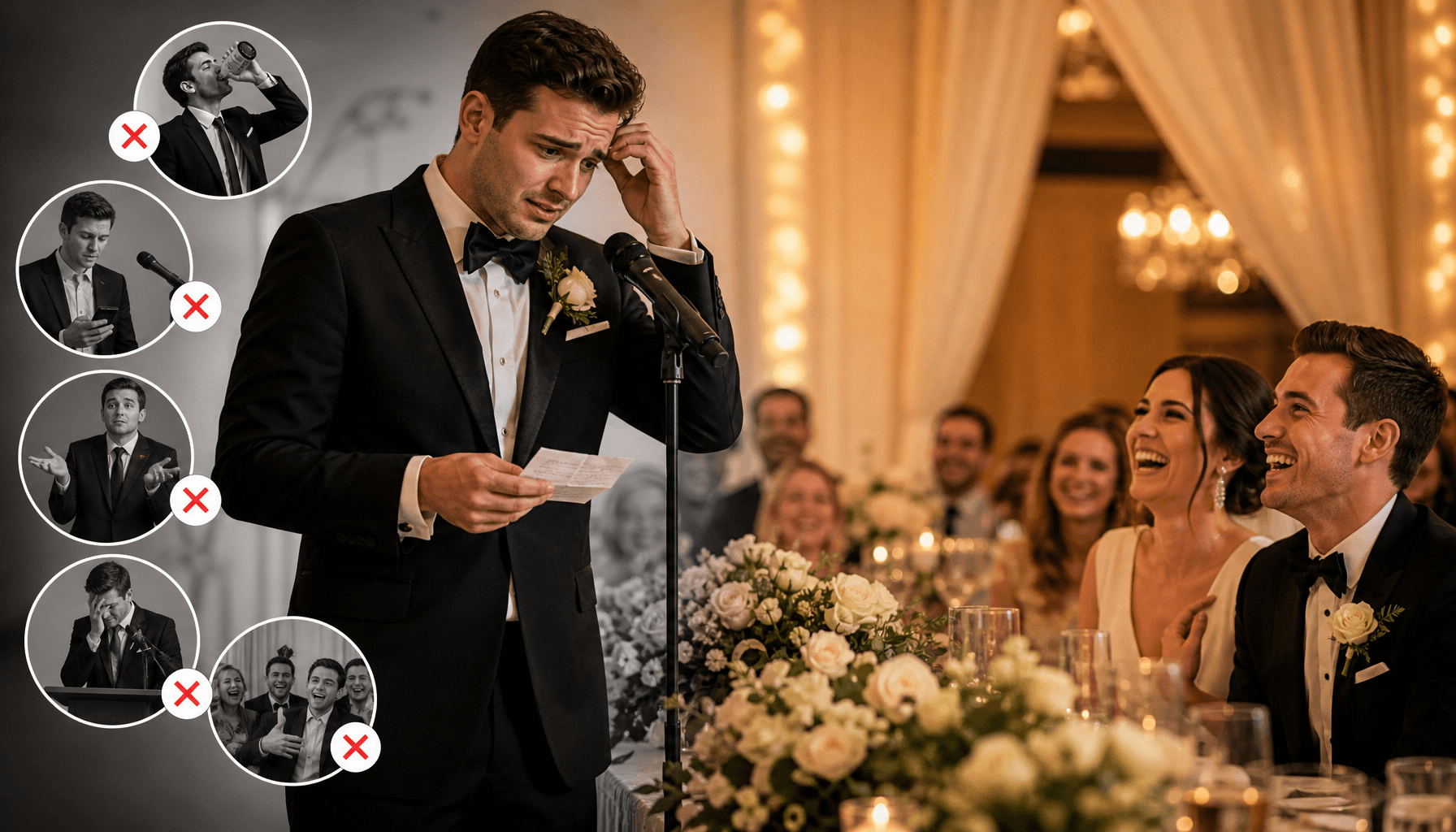
Most joint bridesmaid speeches do not fail because the bridesmaids lack humor. They fail because the speech becomes confusing, exclusive, or too long. Adhering to a clear structure is the backbone of delivering memorable wedding speeches that get applause in the right places.
- The Inside Joke Trap: If only the two of you understand it, it is not a good joke for 120 guests.
- Tone Mismatch: One bridesmaid goes heartfelt while the other goes full roast. Agree on three tone rules before you write.
- One Person Dominates: Divide by sections, not by the number of jokes.
Sample 3-Minute Joint Bridesmaid Speech Script
[Speaker A]: Good evening everyone! I’m Taylor, and I’ve been lucky enough to be the bride’s best friend since high school.
[Speaker B]: And I’m Sam, her cousin and built-in partner in crime at every family holiday. We are doing this together because when it comes to her, there is simply too much love for one microphone.
[Speaker A]: If you know the bride, you know she is the kind of person who shows up. Not just for the big moments, but for the quiet ones too.
[Speaker B]: Exactly. Her organization is the only reason we are all here on time. But what I love most is that even with all that competence, she never makes people feel small. She makes them feel safe.
[Together]: Please raise your glasses to the happy couple. To a lifetime of laughter, partnership, and a love that keeps feeling like home. Cheers!
Conclusion: Making Your Group Speech Memorable with ToastPal
The secret to non-chaotic joint bridesmaid speeches is not more charisma; it is coordination. If you align tone, keep it to three to five minutes, divide the sections intentionally, and use baton transitions with rehearsed microphone logistics, your joint bridesmaid speech will feel effortless to the room.
ToastPal is built for exactly this moment: taking two sets of memories, two personalities, and two writing styles and turning them into one clean, consistent script you can actually practice. Whether you are writing a solo speech or collaborating with a partner, let ToastPal handle the words so you can focus on the memories.