Nerves of Steel: Maid of Honor Speech Tips for the Terrified Speaker
Being chosen as Maid of Honor is a massive, tender kind of trust. It means you have been there through the thick and thin, shared countless memories, and earned a front-row seat to one of the most significant days of your best friend’s life. But let’s be honest: the moment the excitement fades and you realize you have to stand up in front of 150 people to deliver a speech, that honor can quickly dissolve into sheer terror. If your first thought after saying "yes" was a panic-induced "oh no," you are not being dramatic. You are being human.

Sweaty palms, a racing heart, and the overwhelming urge to fake a sudden illness are all completely normal reactions. The pressure feels immense because you want to do a good job for someone you love. Here is the good news: confidence often starts with having a script you truly believe in. That is where a maid of honor speech generator becomes your secret weapon. By turning your scattered memories into a polished, heartfelt draft in minutes, you remove the paralyzing stress of staring at a blank page. Once you have a solid foundation, you can stop worrying about the words and focus entirely on the delivery.
This guide gives you a calm, step-by-step path from writing to the final toast, specifically designed for Maids of Honor who feel shaky, sweaty, or tongue-tied. You will walk away with a structure that acts as a safety net, rehearsal tactics that actually work, and physical tools you can use in the room when your heart starts sprinting.
Understanding the Fear: Why You Feel Like Running Away
Public speaking anxiety is not a personality flaw, nor is it a sign of weakness. It is biology combined with context. Your brain is wired to avoid social rejection, and standing alone in front of a crowd triggers the same fight-or-flight response our ancestors experienced when facing physical danger. Your body does not distinguish between a hungry predator and a room full of wedding guests holding champagne. It just knows you are exposed, and it floods your system with adrenaline to help you survive.
If you feel like everyone else is fine with public speaking and you are the only one struggling, the data says otherwise. Research indicates that 50 to 75 percent of people report some level of fear or anxiety around public speaking. You are in very crowded company. Even seasoned speakers get butterflies before taking the stage. The difference is that they know how to manage the energy rather than letting it manage them.
The "Wedding Factor"
What makes a wedding speech particularly challenging is the unique audience dynamic. You are not presenting a quarterly report to colleagues you know well. You are speaking to a complex mix of family members who have known the bride since she was born, college friends who share inside jokes, and distant relatives you have never met. The emotional stakes are incredibly high because this is not just a presentation; it is a tribute to a relationship you cherish, delivered at a moment that will be remembered and photographed forever.
However, there is a truth that should help lower your heart rate: the audience is rooting for you. No one at that wedding wants you to fail. They are not sitting there with scorecards waiting to critique your posture or your pacing. They are there to celebrate love, they are likely in a good mood, and they genuinely want you to succeed. Your job is not to perform a stand-up comedy routine or deliver a TED Talk. Your job is simply to witness and to share what you know to be true about the bride.
The Ultimate Maid of Honor Speech Structure
Anxiety often stems from a lack of direction. When you do not know what you are supposed to say or how to organize your thoughts, panic fills the void. Structure is your antidote. Think of a solid speech outline as a map; even if you get nervous and lose your place momentarily, the map tells you exactly where to go next.
A reliable maid of honor speech follows a simple, four-step framework that keeps you steady:
1. The Introduction
Start by grounding the room and yourself. Introduce who you are and explain your relationship to the bride. This gives context to the guests who might not know you and buys you a few seconds to settle into the microphone. Keep it brief and warm. A simple "Hi everyone, I’m Sarah, and I’ve had the joy of being Emma’s best friend since sophomore year" works perfectly. It orients the audience and sets a friendly tone without needing a complex opening joke.
2. The Middle (Anecdotes)
Nervous speakers often make the mistake of trying to say everything. They want to list every vacation, every inside joke, and every quality the bride possesses. This leads to rambling, and rambling leads to panic. Instead, pick one or two specific stories that reveal her character. Quality trumps quantity here. One well-told story about the time she drove three hours to cheer you up is infinitely better than a laundry list of adjectives.
If you are struggling to decide which stories land best, looking at specific maid of honor speech examples can help you differentiate between what works for a sister versus a best friend. Different dynamics require different storytelling approaches, so choose memories that feel authentic to your specific bond.
3. The Couple Focus
After celebrating the bride, you must pivot to the couple as a unit. This is the part that transforms a sweet tribute into a proper wedding toast. Talk about how the partner complements her, how you have seen them grow together, or a specific moment when you realized they were a perfect match. This shift is crucial because it reminds everyone that the day is about their union, not just your nostalgia.
4. The Closing Toast
End decisively. Nervous speakers often trail off because ending feels like stepping off a ledge. Instead, choose a clean closing. Offer a sincere wish for their future, ask the guests to stand, and raise your glass. This gives the audience a clear cue to applaud and provides you with a natural, celebratory exit.
Stage-Fright Toolkit: How to Overcome Nerves Before the Mic
No amount of mental preparation will completely eliminate adrenaline, but you can use physical techniques to manage your body's stress response so it does not overwhelm you.
Breathing Exercises (4-4-6 Method)
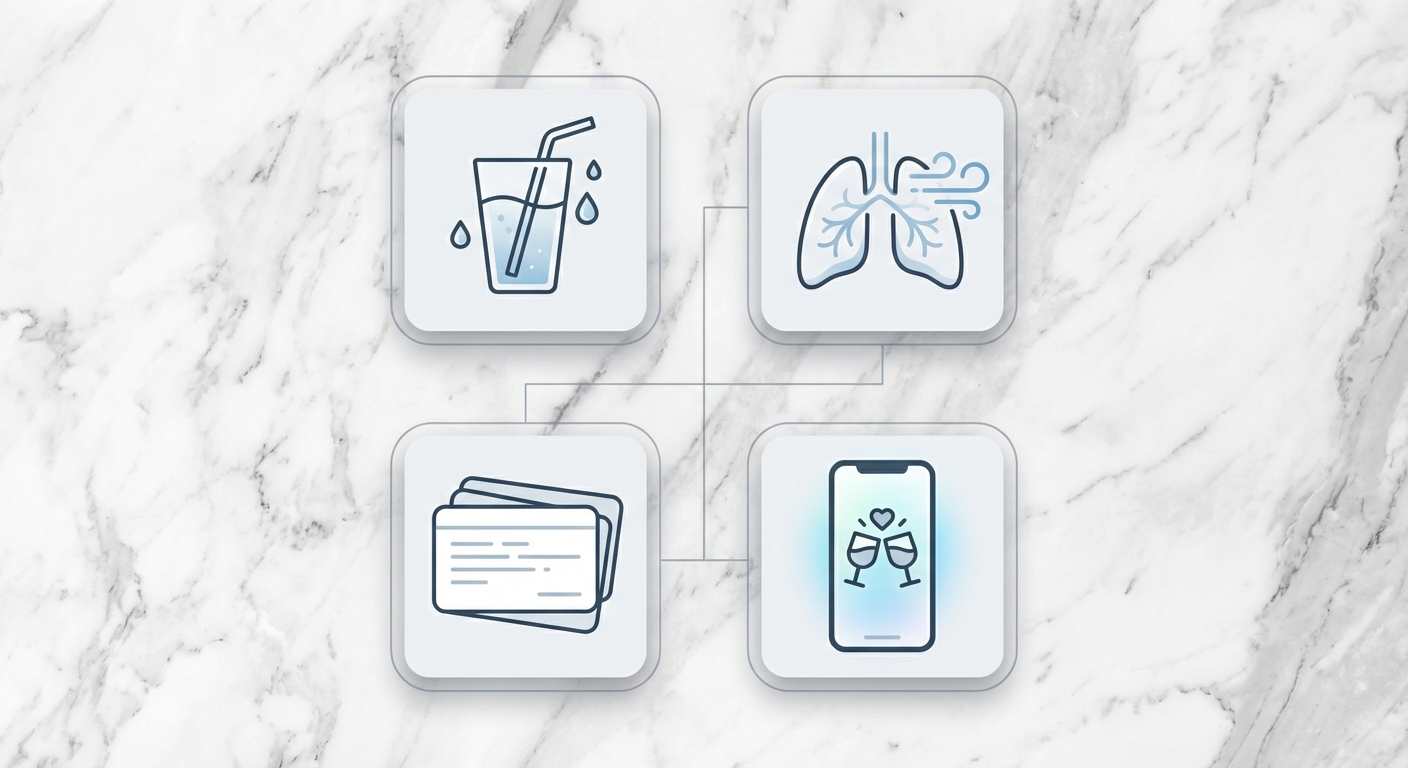
One of the most effective methods to calm a racing heart is controlled breathing. Try the 4-4-6 technique: inhale deeply through your nose for a count of four, hold that breath for a count of four, and then exhale slowly through your mouth for a count of six. Repeat this cycle three or four times. The longer exhale signals safety to your nervous system, physically slowing your heart rate and reducing the "fight or flight" intensity. Do this while you are sitting at the table waiting for your turn.
Visualization Techniques
Visualization is a powerful tool used by athletes and performers. Close your eyes and imagine the specific moment you finish your speech. Picture the audience smiling, the bride wiping away a happy tear, and the feeling of relief washing over you. Visualizing a positive outcome primes your brain for success and helps reduce the fear of the unknown.
Rehearsal Strategies
Experts often recommend practicing aloud 12 to 15 times before the wedding. This might sound excessive, but repetition builds muscle memory. The first few times you say it out loud, you will stumble. By the tenth time, your brain stops treating the words as new information. Toastmasters public speaking tips emphasize that confidence comes from preparation and clarity, so treating your rehearsal like a mini-performance helps desensitize you to the feeling of being watched.
For more in-depth strategies, reading about overcoming wedding speech anxiety can give you additional tools to stay grounded when the spotlight hits.
Common Maid of Honor Speech Mistakes to Avoid
Even the best-prepared speakers can derail their speech with a few critical mistakes. Avoiding these common pitfalls will keep your anxiety low because you will know you are staying within safe territory.
Inside Jokes and Taboo Topics
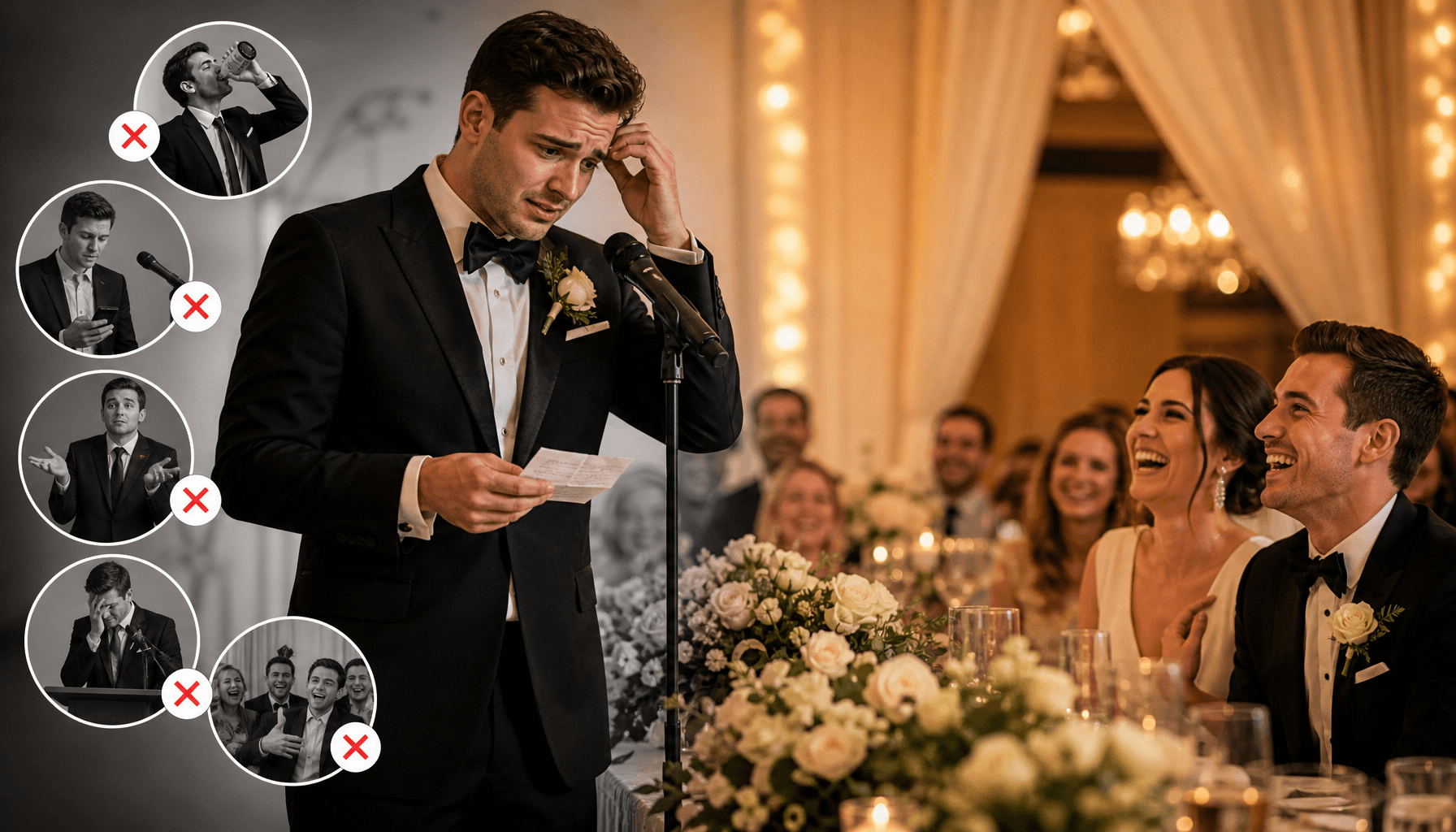
Never mention ex-partners. It does not matter how funny you think the story is; bringing up past relationships is awkward and disrespectful. Avoid inside jokes that only you and the bride understand. If the rest of the room is confused, you lose their attention. Also, be careful with roasting. A gentle tease is fine, but this is a celebration, not a comedy roast. If you are unsure if a joke is too harsh, it probably is.
Reading from a Phone vs. Notecards
Do not read your speech off your smartphone. This is a logistical nightmare waiting to happen. Screens dim automatically, glare from the lights can make text unreadable, and notifications can pop up mid-sentence. Plus, holding a phone creates a barrier between you and the guests and looks poor in photos. Print your speech on a clean sheet of paper or use cue cards with a large, readable font. Following standard maid of honor toast advice regarding etiquette and delivery will ensure you look polished and prepared.
How ToastPal Can Help You Deliver with Confidence
For many Maids of Honor, the scariest part is not the microphone itself but the blank page. Staring at a blinking cursor, trying to capture years of friendship in a few hundred words, is paralyzing. You might worry that your writing is too generic, too sappy, or simply not good enough. This insecurity fuels the anxiety that follows you to the stage.
This is where ToastPal changes the game. By using AI to assist with the drafting process, you skip the most stressful part of the journey. You answer simple questions about your relationship, your favorite memories, and the tone you want to set. The platform then weaves these details into a cohesive, professional narrative that sounds like you. You are not outsourcing your feelings; you are getting help with the packaging so your true emotions can shine through without the struggle.
Conclusion
You do not need to be fearless to give a great toast. You just need a plan you trust. When you lean on a simple structure, practice out loud enough times that your mouth knows the rhythm, and use body-based tools to calm your nerves, the fear stops being the boss of the moment. Take the pressure off the writing process so you can focus your energy on delivery. With a solid script in hand and these techniques in your pocket, you are ready to stand up, speak from the heart, and give your best friend a gift she will treasure forever.